

Reviews, Approvals, Permissions: The Foundation of B2B
The B2B buying decision is rarely made by one person. The person who found your product and wants to buy it is almost never the same person who signs off on the purchase. Between the first inquiry and the confirmed order, there are reviews to complete, approvals to collect, and permissions that determine who can do what.
This is not bureaucracy for its own sake. It is how organizations protect themselves from unauthorized spend, enforce procurement policy, and make sure the right people are accountable for the right decisions.
If you are selling B2B on Shopify and your commerce setup does not account for this buying structure, you are not just missing a feature. You are missing how your buyers actually work.
Why B2B Buying Is Built Around Layers of Control
In B2C, one person sees the product, decides they want it, and pays. The entire decision chain is compressed into a single session.
In B2B, that chain is intentionally extended. A purchasing manager at a manufacturing facility might be able to browse your catalog and build a cart, but cannot place an order above a certain value without their operations director signing off. A regional buyer at a distribution company might need finance to approve anything over $5,000. A new vendor relationship might require sign-off from legal before a single order is placed.
These controls exist because the money is not one person's money. It is the organization's money. And organizations have rules about how that money gets spent. In fashion and apparel, where size-run ordering multiplies the line items, those rules decide who can approve which order without slowing the deal.
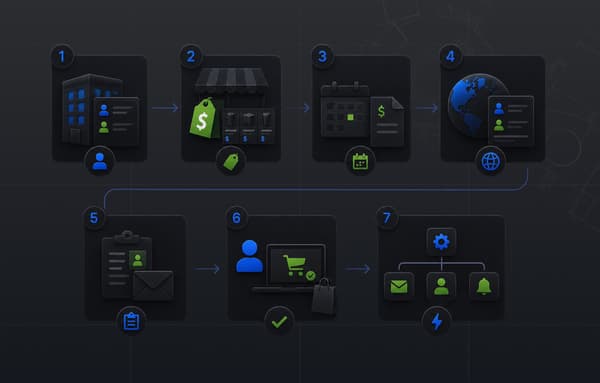
The result is a buying process that moves through multiple stages and multiple people before it reaches confirmation. For the seller, every one of those stages is a moment where a deal can either progress or stall.
The Three Roles Every B2B Seller Needs to Understand
B2B buying organizations typically operate with three distinct roles, each with different permissions and different relationships to the purchase decision.
The buyer. Can browse, build carts, and submit orders. May or may not have the authority to place orders unilaterally, depending on the spend threshold and organizational policy. This is the person your rep usually talks to first, and often the person most motivated to move quickly.
The approver. Reviews submitted orders before they are confirmed. May be a department head, a finance contact, or an operations manager depending on the organization's structure. The approver is often not in the original conversation. Getting a deal to them clearly and quickly is one of the most important things a seller can do.
The admin. Controls access, permissions, and user management for the buying organization. Sets the rules the other two roles operate within. Often involved at the start of a relationship and rarely visible after that.
When your commerce platform supports this structure, your buyers can operate the way their organization actually works. When it does not, they have to work around it, and that friction is often enough to send them somewhere else.
Structuring these roles cleanly is a core part of moving a wholesale business from offline to online.
What B2B Approval Workflows Actually Look Like
Approval workflows are the structured process by which an order moves from submitted to confirmed. They are not all the same. The structure depends on the organization, the order size, and the products involved.
Three patterns come up most often in wholesale and distribution:
Threshold-based routing. Orders under a defined value are auto-approved and move immediately into processing. Orders above the threshold are held and routed to the appropriate approver. This is the most common pattern for distributors managing purchasing teams with defined spend limits.
Multi-level sign-off. Large orders or new vendor purchases require sequential sign-off from more than one person. The order moves from the buyer, to a department head, to finance, before it is confirmed. Each stage leaves an audit trail showing who approved what and when.
Role-based restrictions. Certain product categories, shipping addresses, or payment terms are restricted to specific users. A field buyer might be able to order standard consumables but not capital equipment. A regional contact might have access to certain catalogs but not others.
All three patterns share the same requirement: the platform needs to hold orders in a reviewable state, route them to the right people, and record the outcome. Understanding how draft orders work in Shopify is foundational here. Draft orders are the native mechanism that allows orders to exist in a pending, reviewable state before they are committed. Brands leaving Magento behind often rebuild this review layer from scratch, since the old approval logic rarely survives the move.
What This Means for the Seller Side of the Deal
Most articles about approval workflows are written for the buyer's platform administrator. They explain how to configure rules, set spend limits, and assign roles. That is useful. But it is only half the picture.
The other half is what happens on the seller side when an order enters an approval chain.
Across the manufacturers, distributors, and wholesalers Uncap has worked with since 2013, the deals that stall longest are almost never about price. They stall at the approval stage. The quote is ready. The buyer wants to move. But the sign-off is stuck somewhere in a chain that neither party can see clearly. The rep does not know if the approver has reviewed it. The buyer does not know what is holding things up. Nobody is moving the deal forward because nobody knows where it is.
This is where visibility on the seller side becomes as important as the workflow structure on the buyer side. A rep who can see that a quote has been submitted and is awaiting approval can follow up with the right person at the right time. A rep who is waiting for the buyer to come back to them can only guess.
When Your Platform Understands How B2B Buyers Actually Work
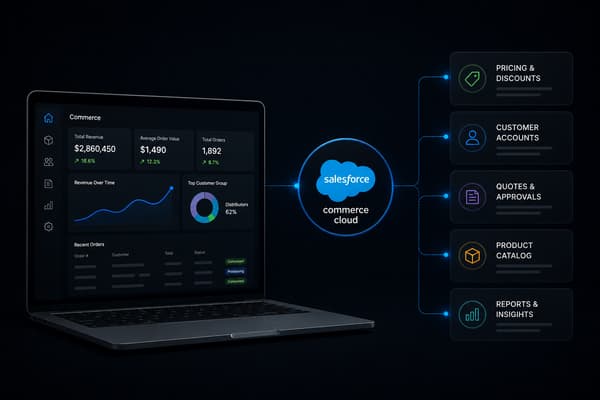
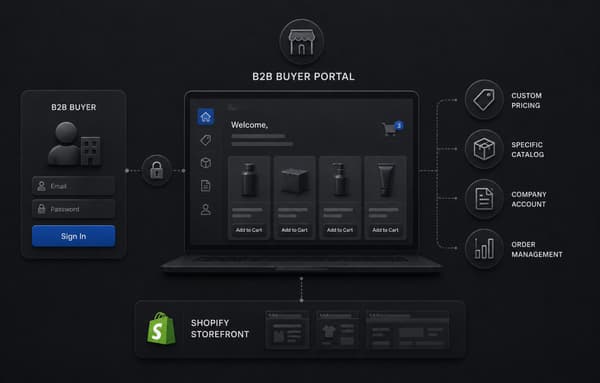
For manufacturers and distributors running B2B on Shopify, the platform now supports company-level permissions, multi-buyer accounts, and role-based access natively across all paid plans. That gives you the structural foundation: buyers can have different permissions, orders can be gated by role, and access to catalogs and pricing can be controlled at the account level. Those permissions only hold up when a Microsoft Dynamics integration keeps account and pricing data in step across systems.
What the platform does not give you is visibility into what happens once a quote enters the approval process inside your buyer's organization. That visibility lives in the conversation.
Uncap's Advanced Quote Management keeps every version of a quote, every revision, and every communication attached to the deal. When a buyer says "I need to get sign-off from my manager," your rep can see the full history of what was sent, what was discussed, and what the outstanding questions are. The follow-up is informed, not blind.
The approval chain is the buyer's process. Your job is to make sure your side of that process is as clear and organized as theirs.
Build Your Commerce Around How Your Buyers Actually Buy
Reviews, approvals, and permissions are not edge cases in B2B commerce. They are the default buying pattern for most wholesale and distribution accounts. If your platform does not support them, your buyers will find ways to work around it. Usually that means more email, more manual steps, and more friction at exactly the moment you need a deal to close. For a broader look at how approvals and permissions in B2B ordering fit into a complete wholesale commerce setup, our wholesale solutions page walks through the full picture.
If your platform does support them, and your sales process gives your reps visibility into where deals stand inside the approval chain, you move from hoping deals close to actively moving them forward.
Request a Quote and see how Uncap is built around the way B2B buyers actually operate, from first inquiry to confirmed order.
Frequently asked questions
Why does B2B buying involve approvals and permissions?
The money is the organization's, not one person's. Review layers, approval thresholds, and role permissions are how companies prevent unauthorized spend and enforce procurement policy.
What are the three roles in a B2B buying organization?
The buyer who browses and builds carts, the approver who signs off above thresholds, and the administrator who controls who can do what. A B2B commerce setup has to model all three.
What happens if your store ignores buyer-side approval workflows?
Deals stall at every unmodeled control point: orders above a limit sit unconfirmed, approvers are chased by email, and the seller cannot see where in the chain a deal is stuck.
How does Shopify support these controls?
Company accounts support multiple contacts with different ordering permissions per location. Deeper approval chains and thresholds come from the B2B app layer built on top of those primitives.