

B2B ecommerce is having its moment. Buyers are moving online, the tools have finally caught up, and the barrier to entry has dropped to a level that would have sounded impossible a few years ago. If you run a wholesale, distribution, or manufacturing business, the question is no longer whether you go online. It is how you do it without making the same expensive mistakes everyone before you made.
Here is the catch. Most people plan a B2B store with a B2C mental model in their head. They picture a clean catalog, a cart, and a checkout, and they assume the rest will sort itself out. Then reality shows up: customer-specific pricing, quotes, approvals, an ERP that has opinions, and orders that never touch the cart at all.
None of that should scare you off. It should just shape how you plan. Here are eight facts worth knowing before you spend a dollar, so you build the right thing the first time.
1. Your buyers already shop like consumers
The people placing your orders spend their evenings on fast, clean consumer sites. They search, compare, and check out in minutes, with zero patience for friction. Then they come to work and expect the same thing.
That expectation is the single biggest shift in B2B. The buyer does not care that you sell industrial valves or nail supplies or precision oilfield components. They care that they can find what they need, see their price, and reorder without a phone call. A login portal that looks and behaves like it was built in 2009 is no longer a minor annoyance. It is a reason to call your competitor instead.
So the bar is set by the best experience your buyer has anywhere, not by the other companies in your category. Plan for that bar. Meeting it is very achievable now, but only if you decide up front that the experience matters. In fields like building and construction supply, that expectation now reaches every branch buyer placing repeat orders.
2. The storefront is the easy part
Here is the fact that reorders every budget conversation. Standing up a catalog and a checkout is the simple part of B2B ecommerce. Anyone can do it. The hard problems live upstream and around the store: how pricing gets calculated, how quotes get built and approved, how inventory stays accurate, how the order lands in your back office.
This is where most B2B projects go sideways. Teams spend their planning energy on the storefront because it is the visible part, then discover the real work was always in the plumbing behind it. The store is the tip of the iceberg. The value, and the complexity, is under the waterline.
The practical takeaway: when you scope your project, spend most of your attention on what the storefront connects to, not the storefront itself. That is what separates a demo from a real revenue operation. Teams replatforming from BigCommerce often learn this the hard way, discovering the plumbing only after the storefront looks done.
3. B2B pricing is never one price
In B2C, a product has a price. In B2B, a product has a price for this customer, a different price for that customer, a contract rate for a third, a volume break at a certain quantity, and terms layered on top of all of it.
Customer-specific pricing is the beating heart of B2B, and it is exactly where consumer-grade tools fall apart. If your platform cannot handle negotiated pricing, tiers, and terms natively, you end up doing it by hand. That means spreadsheets, manual quotes, and a sales team retyping the same numbers over and over. Which is the precise thing you were trying to escape by going online.
So before you fall in love with a storefront design, ask the unglamorous question: can this platform price the way my business actually prices? If the answer is no, nothing else matters.
4. Not every order comes through the cart
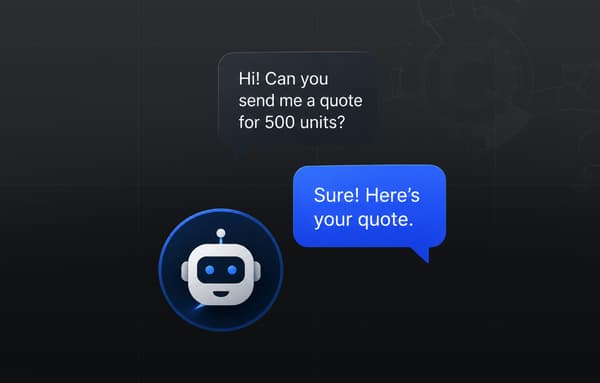
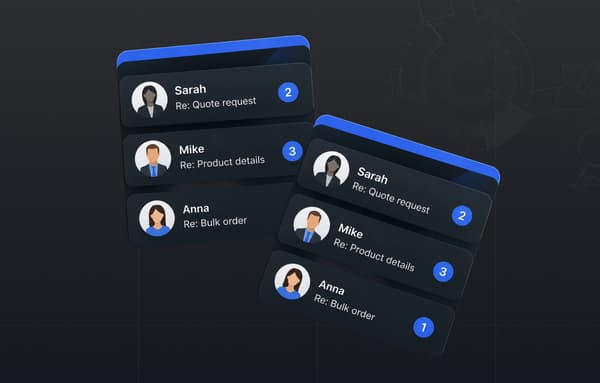
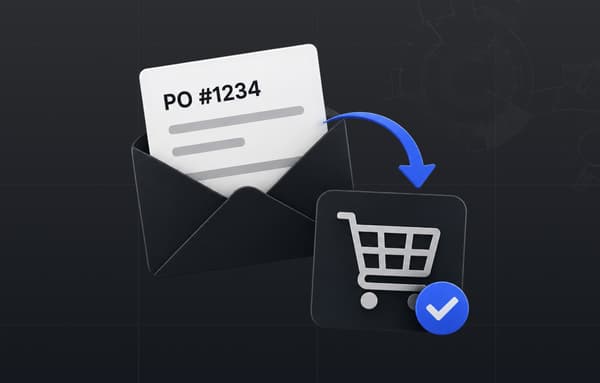
Picture how orders actually reach your business today. Some come by phone. Some by email. Some start as a quote that gets negotiated and revised three times before it becomes an order. Some are reorders of the exact same thing the buyer got last month. A standard checkout captures none of that well.
Real B2B revenue flows through paths a consumer cart ignores. If you build only for the shopper who browses and checks out, you will capture a slice of your orders and leave the rest stuck in inboxes and voicemails. The stores that win support the way orders actually happen: fast reorders, sales-assisted deals, quotes that live inside the system instead of someone's inbox, and self-service for the buyers who want it.
Map your real order flows before you build. Then make sure your store serves all of them, not just the tidy one.
5. Your systems have to tell the same story
When your commerce platform and your ERP disagree about a price, a stock level, or a customer's terms, someone pays for the error. A buyer gets quoted the wrong number. An out-of-stock item sells anyway. An order gets re-keyed by hand and a digit changes along the way.
In B2B, real-time integration between commerce and the back office is not a nice-to-have. It is the foundation everything else sits on. Your store, your inventory, your pricing, and your fulfillment all need to be reading from the same source of truth, and they need to update each other instantly, not overnight in a batch that is already stale by morning.
This is also the part that used to be brutally expensive, which brings us to the next two facts. For now, just know that "we will figure out the ERP connection later" is how good projects turn into painful ones. Plan the integration from day one. When that back office is NetSuite, the real-time sync is what keeps price and stock honest across every order.
If your catalog runs on perishables, delivery windows, and catch weights, the evaluation gets more specific, which is exactly how food distributors evaluate software before going online.
6. Ecommerce doesn't replace your team, it frees it
There is a fear worth naming. Some operators worry that going online means cutting the sales team, and some sales reps quietly worry the same thing. Both are reading it wrong.
B2B stays relationship-driven. Buyers still want a human when the deal is complex or the stakes are high. What a well-built store actually does is take the robot work off your team's plate: retyping emailed orders into the system, rebuilding the same quote for the tenth time, chasing approvals, hunting for a price across three tools. That is the work nobody should be doing by hand in 2026.
Handle that automatically and your reps get their time back for the work that grows accounts. It is the same team, on their best day, more often. Do more with the team you have, and let them stop doing the busywork that was never why you hired them.
7. Enterprise capability no longer needs an enterprise budget
For years, everything in this article came with a seven-figure asterisk. Customer-specific pricing, real-time ERP integration, quoting workflows, a buyer experience that did not embarrass you: those were enterprise features, locked behind enterprise platforms, enterprise timelines, and a dedicated ops team to run it all. If you were a smaller or mid-market operator, you were priced out.
That is the fact that changed everything. Shopify has grown into a genuine B2B engine, and the advanced capabilities that used to cost half a million dollars and eighteen months now run on a platform you can launch on in a fraction of the time and cost. Lower total cost of ownership is not a discount. It is the whole reason smaller businesses can now compete with the big players on experience and efficiency.
That is the mission worth keeping in view. The tools that used to be out of reach are finally within reach. The businesses that drive the economy deserve a real shot at using them.
8. Launch day is the starting line, not the finish
The last mistake is treating go-live as the goal. You launch, you exhale, and you move on. Then the store just sits there.
A good B2B store compounds. The value shows up in the months after launch, as buyers reorder, as you tune the experience, as you find and fix the leaks in conversion and the gaps in retention. The operators who win treat the store as something that gets a little better every month, not a project that ends when the site goes live.
So budget for what happens after launch, not just the launch itself. Reserve energy, and money, for optimization and growth. That is where the return actually lives, and it is the difference between a store that launched and a store that keeps paying you back.
Where to start
If you read these eight facts and felt a knot in your stomach, that is normal, and it is a good sign. It means you are taking the real complexity seriously instead of getting surprised by it later. The complexity is manageable. It just has to be planned for, not discovered halfway through.
The good news is that none of this requires the budget or the timeline it used to. A B2B store that prices correctly, connects to your back office in real time, supports how your buyers actually order, and gets better every month is well within reach for smaller and mid-market operators today. That is exactly the kind of thing we help operators sort out.
Uncap has been a Shopify Platinum Partner since 2013, with 380+ storefronts launched on Shopify for operators who run real, complex businesses. If you are weighing the move and want a clear-eyed read on what it takes, let's talk.
Frequently asked questions
What is the biggest planning mistake in B2B ecommerce?
Planning a B2B store with a B2C mental model: a catalog, a cart, and a checkout. B2B reality adds customer-specific pricing, quotes, approvals, ERP integration, and orders that never touch the cart, and those need to shape the plan from day one.
Is the storefront the hard part of a B2B ecommerce build?
No. Standing up a catalog and checkout is the simple part. The hard problems live upstream: how pricing gets calculated, how quotes get built and approved, how inventory stays accurate, and how orders land in the back office.
What do B2B buyers expect from an online store?
The same speed and clarity they get from the best consumer sites: find the product, see their negotiated price, and reorder without a phone call. The bar is set by the best experience the buyer has anywhere, not by others in your category.
Do all B2B orders go through the online cart?
No. A meaningful share of B2B orders arrive by email, phone, and rep conversations. A realistic plan captures those channels in the same system as self-service orders instead of pretending everything will flow through checkout.