

An electrical contractor needs 200 feet of conduit before a 7 a.m. job site start tomorrow. They check your storefront tonight and it shows the part in stock. Most distributor inventory management software would call that a win, since the count is accurate and the system did its job. What it doesn't show is that the stock sitting in inventory is at a warehouse four states away, while the branch ten minutes from the job site is empty. The order ships split, two boxes instead of one, and the second box arrives a day after the crew needed it. The contractor doesn't blame your warehouse system. They blame you, and they start checking a competitor's site before they check yours next time. Multi-warehouse inventory visibility isn't a back-office reporting problem. It's the difference between a contractor who reorders without thinking twice and one who's already looking elsewhere. Distributors who can show accurate, location-specific stock and route the order to the right warehouse automatically are the ones keeping that contractor's business.
What Is Multi-Warehouse Inventory Visibility (and Why Distributors Need It)?
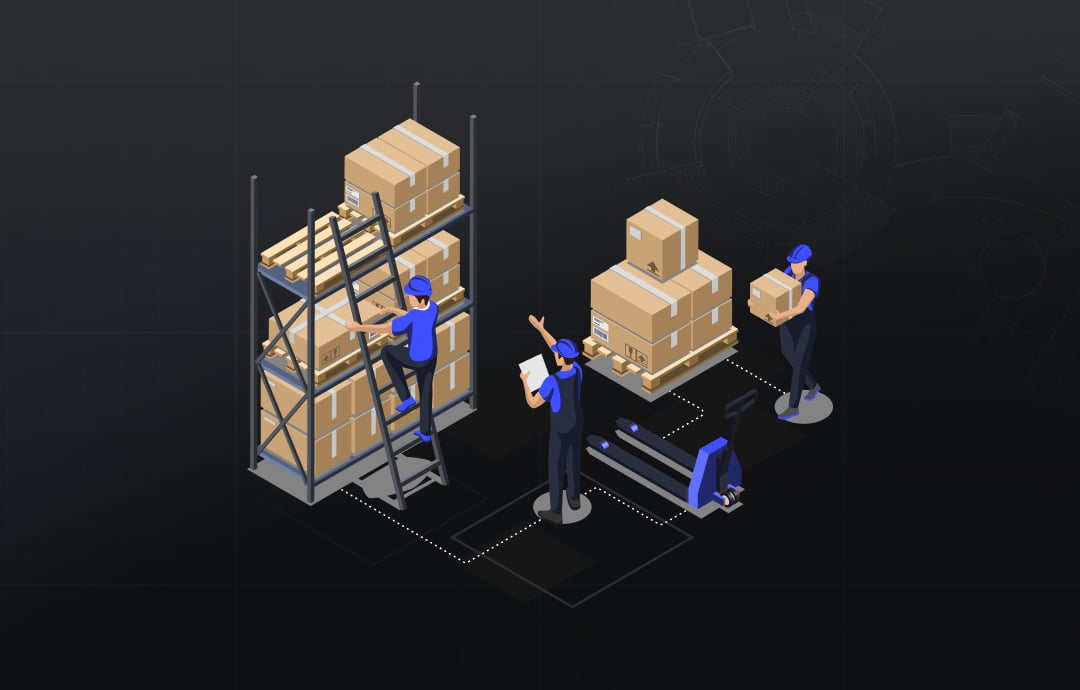
Multi-warehouse inventory visibility means a buyer sees accurate, location-specific stock for every warehouse in your network at the moment they're ordering, not a single combined number that hides which branch actually has the product. For a distributor running more than one warehouse, that visibility is what makes it possible to route an order to the closest, fastest, or most cost-effective location instead of guessing.
Most distributors think they already have this. They can see total inventory across all warehouses in their ERP or their broader B2B ecommerce software, which feels like visibility. But a combined total doesn't tell a buyer, or the system processing their order, whether the units sitting in that total are 50 miles away or 500. A storefront showing "12 in stock" when 11 of those units are in a warehouse that can't reach the buyer's job site by the date they need it isn't visibility. It's a number that happens to be technically true. Distributors leaving a NetSuite SuiteCommerce storefront know the feeling, since it could show a single stock number but never per-location availability across branches.
The distinction matters because the two halves of the problem, knowing where stock actually is and deciding where an order should ship from, require different systems working together. Inventory accuracy tells you what exists. Routing logic decides what to do with that information once a buyer hits checkout. A distributor can have perfectly accurate inventory counts in every warehouse and still ship from the wrong one if nothing in the storefront or order-management layer is making that routing decision automatically.
This matters more for distributors than it does for most retailers, because B2B orders are bigger, less forgiving, and tied to a schedule the buyer doesn't control. A consumer who orders the wrong size returns it and moves on. A contractor who orders a part that turns out to be unavailable has a crew standing around a job site with nothing to install, and that cost doesn't show up on your invoice. It shows up on theirs.
Why Contractors Punish Distributors Who Get This Wrong
A contractor doesn't order supplies for fun. They're ordering against a job that's already scheduled, a crew that's already booked, and a customer who's already expecting the work done by a specific date. When an order ships late, ships split across two trucks, or arrives from a warehouse that adds two days to transit, the contractor doesn't see a logistics problem. They see a missed install, an idle crew they're still paying, and a customer asking why the job isn't finished.
That cost doesn't show up on the distributor's invoice. It shows up in whether that contractor reorders next month, or starts splitting their business across two suppliers so a stockout at one doesn't shut down a job site. Distributors rarely find out why a longtime account quietly started ordering less. The contractor doesn't usually call to complain. They just start routing more of their orders somewhere else, one job at a time, until the account that used to be reliable revenue barely shows up in the numbers anymore.
This is also why split shipments are worse than they look on paper. A distributor might consider a split shipment a minor inconvenience, an extra box, a second tracking number. A contractor managing a crew on-site sees two delivery windows instead of one, twice the chance something gets left at the wrong dock, and a job that can't start until the slower of the two boxes shows up. The actual cost isn't the second shipping label. It's the trust the contractor loses in your ability to get an order right the first time.
This is especially true in trades where a contractor is managing several suppliers across a single job: electrical, plumbing, HVAC, and general building materials all need to show up roughly on schedule for the work to proceed in order. A distributor who becomes the unreliable link in that chain gets quietly worked around, even if their pricing and product selection are otherwise the best option on the table.
What Multi-Warehouse Blind Spots Actually Cost You
The cost of poor inventory visibility doesn't show up as a single line item, which is exactly why it's easy to underestimate. It shows up as a canceled order when a promised item turns out to be unavailable. It shows up as a sales rep spending twenty minutes on the phone confirming stock that the storefront should have shown accurately in the first place. It shows up as a warehouse team fielding angry calls about an order that shipped from the wrong location.
None of those costs are dramatic on their own. A canceled order here, a frustrated rep there, a warehouse team absorbing complaints that belong somewhere else in the organization. Added up across a year, a distributor running several warehouses without real visibility is paying a steady tax on every order, in labor, in lost margin, and in deals that quietly move to a competitor who answers the stock question correctly the first time.
There's also a hidden cost on the inventory side itself. Without visibility into what's actually available at each location, purchasing teams tend to over-order at every warehouse just to create a buffer against the uncertainty. That buffer ties up working capital in stock sitting on shelves instead of moving through the business, which is its own quiet drag on margin that never shows up as a single, obvious mistake.
For a building and construction supplier specifically, the stakes are higher than average. Job sites run on coordinated schedules across multiple trades, and a single missing item can hold up work for an entire crew, not just the person who placed the order. That ripple effect is part of why contractors are quick to remember which supplier got it wrong and slow to forget it.
Inventory Management vs. Inventory Visibility: The Gap That's Actually Costing You Orders
Most of the software sold to distributors solves inventory management: counting what's in each warehouse, tracking it as it moves, reconciling it against what the ERP says should be there. That's necessary, and most distributors already have some version of it. It's also not the same problem as inventory visibility, which is whether the buyer placing an order, and the system processing that order, can actually see and act on accurate, location-specific stock at the moment it matters.
This is the gap that shows up in almost every distributor inventory tool on the market today. They're built to manage stock internally, for the warehouse team, the purchasing manager, the person doing cycle counts. Very few are built to expose that same data, in real time, to the buyer at checkout and to whatever logic decides which warehouse should fulfill the order. A distributor can have excellent inventory management and still leave the buyer-facing visibility gap wide open.
Closing that gap doesn't mean replacing the inventory management system already in place. It means connecting it to the storefront in a way that surfaces location-specific stock to the buyer and feeds that same data into order routing, instead of stopping at a single combined number on a product page. The ERP or warehouse system stays the source of truth. What changes is whether that truth actually reaches the buyer and the checkout flow in time to matter.
It's worth naming directly: most of the software marketed as "distributor inventory management" today is really warehouse and purchasing software wearing a buyer-facing label. That's not a criticism of those tools, since they solve a real problem. It's a reason to be specific about which problem you're actually trying to fix, whether you call it inventory management, a wholesale ordering platform, or simply "the storefront," before buying another system that promises to solve "inventory" without saying which half of it.
How Order Routing Should Actually Work Across Multiple Warehouses
Order routing is the decision layer that sits on top of inventory visibility. Once the system knows what's actually in stock at each location, it still has to decide which warehouse should fulfill a given order, and that decision should happen automatically, in the background, before the contractor ever sees a confirmation screen. Done well, the buyer never thinks about which warehouse their order came from. They just notice that it showed up complete, on time, from wherever made the most sense.
Getting that decision right consistently comes down to a few rules working together, not one clever algorithm.
Proximity to the delivery address first. The warehouse closest to the job site fulfills the order whenever it has the stock, since distance is usually the biggest driver of both cost and speed.
Full-order fulfillment over split shipments. A warehouse with everything the contractor ordered should usually win over the closest warehouse that only has part of it, since one complete delivery beats two partial ones.
A clear tiebreaker when more than one warehouse qualifies. Whether that's lowest shipping cost, fastest transit time, or a rule the distributor sets for specific product categories, the system needs a default. Otherwise it gets left to whoever processes the order that day.
Visibility into why a routing decision was made. When a contractor or a sales rep asks why an order shipped from a particular warehouse, someone should be able to answer in a sentence. No one should have to dig through three systems to reconstruct what happened.
None of this requires exotic technology. It requires the storefront, the inventory system, and the order-management layer agreeing on the same set of rules. Those rules need to apply every time, not just whenever they happen to get followed. Shipping and fulfillment are consistently one of the most underrated growth levers in B2B commerce, and warehouse routing is where that lever actually gets pulled.
Real-Time Stock Sync Across Locations: What It Takes
None of the routing logic above works if the underlying stock data is stale. A warehouse that shows available inventory because the system hasn't caught up with this morning's shipments yet will route an order straight into a backorder. Real-time sync between the ERP and the storefront is what keeps that from happening, updating stock the moment it changes instead of on a batch schedule that runs once or twice a day.
Batch sync is the default for most distributors, and it's easy to see why. It's simpler to build and cheaper to run than a real-time connection. The tradeoff is a window, sometimes hours, where the storefront and the actual warehouse floor disagree about what's available. For a contractor ordering against a tight job-site schedule, that window is exactly when the wrong promise gets made.
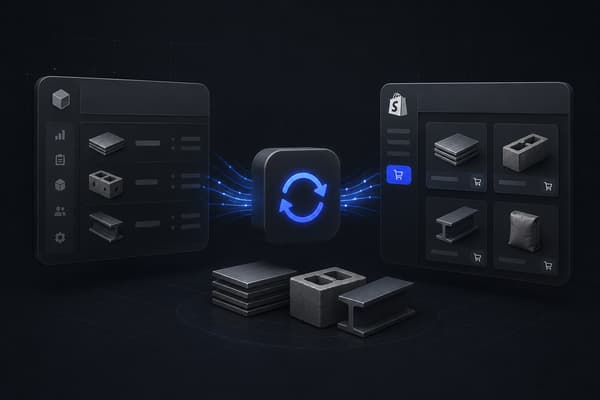
Getting to real-time sync doesn't mean ripping out the ERP or the warehouse management system already in place. It means connecting them to the storefront through an integration built to handle B2B-specific data: location-level stock, customer-specific pricing, and order status, moving in both directions instead of one. When the warehouse ships an order, the storefront should know instantly. When a buyer places one, the warehouse should know just as fast. For distributors running that live connection, an Epicor integration is what streams real-time stock by warehouse to the storefront rather than a batch that runs twice a day.
For a contractor checking stock from a job site on a phone, the lag between batch updates matters. It's the difference between trusting your storefront and calling a rep to double-check before they commit. Real-time sync removes the reason for that phone call entirely. That's exactly the kind of friction a contractor with a truck idling outside a branch doesn't have time for.
Why Most Distributor Inventory Management Software Doesn't Solve the Storefront Problem
Most distributor inventory management software on the market today was built to solve the back-office half of this problem. It tracks stock across warehouses, automates reordering, and gives the purchasing team forecasting tools. All of that is useful, and a distributor running multiple warehouses genuinely needs it. None of it, on its own, changes what the buyer sees when they're placing an order on your storefront.
The same gap shows up from the other direction with generic ERP systems. They're excellent systems of record. They were not built with a buyer-facing storefront in mind, which means the connection between what the ERP knows and what a contractor sees online is often a manual export, a once-a-day sync, or a separate piece of middleware someone has to maintain. Either way, the buyer is looking at a number that's already out of date by the time they click order.
This is the gap a Shopify-native distributor is in the best position to close. The fix isn't replacing the inventory system or the ERP. It's connecting them to the storefront the buyer is actually using. Shopify's B2B tooling already gives sellers a way to manage company accounts, and its company-location structure ties pricing, addresses, and orders to a specific account location. Extending that same structure to reflect real-time, warehouse-level stock is what turns a generic storefront into one built for distributors running more than one location.
What This Looks Like in a Working Multi-Warehouse Storefront
Getting multi-warehouse visibility and routing right comes down to five things working together inside the same system, not five separate tools bolted onto each other.
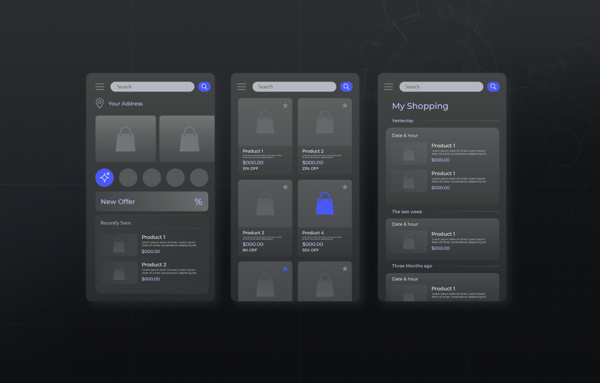
Location-specific stock on every product page. The buyer sees what's actually available at the warehouse closest to them, not a combined total across the network.
Automatic routing based on rules, not guesswork. Proximity, full-order fulfillment, and cost decide where an order ships from, applied the same way every time.
Real-time sync between the ERP and the storefront. Stock updates the moment it changes, so the number a buyer sees at checkout still matches the warehouse floor.
Split-shipment logic the buyer can see. If an order has to ship from two warehouses, the buyer knows before they check out, not after the second box doesn't show up.
A routing decision someone can explain. When a sales rep or a contractor asks why an order shipped a certain way, the answer is in the system, not a guess.
Distributors who have all five working together aren't running a more complicated operation. They're running the same operation with fewer surprises. That's exactly what a contractor checking your site at 9 p.m. before tomorrow's job is hoping to find. It is also where multi-warehouse inventory visibility and order routing connects to the bigger unified commerce picture, with B2B, DTC, and ERP data running on one connected stack.
The same real-time sync challenge gets stricter in regulated categories, as we cover in ERP integration for medical equipment distributors.
Rolling Out Multi-Warehouse Visibility Without Disrupting Your Team
Distributors sometimes delay fixing this because it sounds like a bigger project than it actually has to be. The fix doesn't require retraining the entire warehouse team overnight or changing how purchasing already works. It requires connecting systems that are mostly already in place: the ERP, the storefront, and the rules that decide where an order ships from.
A practical rollout usually starts with the highest-volume warehouse pair, the two locations most likely to compete for the same order, and gets the routing logic right there first. Once that's working and the team trusts what the storefront is showing, extending it to the rest of the network is a configuration change, not a rebuild. Trying to launch every warehouse at once is usually what turns a manageable project into a stalled one.
The team most likely to push back is whoever has been manually reconciling stock between systems for years. That resistance usually fades fast once they see what the new process removes from their plate: the daily phone calls confirming stock, the manual exports, the spreadsheet that's always a day behind. Most warehouse and operations teams aren't attached to the old process. They're just tired of being the safety net for a system that doesn't tell the truth on its own.
Why Getting This Right Protects the Relationship With Contractors
A contractor who gets a complete, on-time order doesn't think about which warehouse it came from. A contractor who gets a split shipment, a wrong ETA, or a stockout they weren't warned about remembers it the next time they're choosing who to call. In a trade where job sites run on tight schedules and crews get paid whether the material shows up or not, that memory is worth more than almost any other factor in the relationship.
Uncap is a Shopify Platinum Partner, on Shopify since 2013, building B2B commerce for distributors who run more than one warehouse and can't afford to guess which one should fulfill an order. Uncap Connect syncs inventory, pricing, and order data between the ERP and the storefront in real time, so multi-location stock is something the buyer actually sees, not something the warehouse team reconciles after the fact.
That same logic applies whether the buyer is a fire and life-safety contractor checking stock before a 7 a.m. job or a building and construction supplier managing accounts across a dozen branches. Distribution and trade supply businesses live and die on whether the order shows up complete and on time. Getting multi-warehouse visibility right isn't a nice-to-have feature. It's the operational detail contractors actually notice.
Distribution and trade supply is a vertical where word travels fast between contractors on the same job sites and in the same trade associations. A distributor known for shipping complete, accurate orders gets recommended. One known for split shipments and wrong ETAs gets quietly dropped from the rotation, often without ever hearing why.
Multi-Warehouse Visibility Is a Growth Lever, Not a Back-Office Fix
A contractor checking your storefront the night before a job doesn't care how many warehouses you run or what system tracks the inventory inside them. They care whether the order they're about to place will show up complete, on time, from wherever it needs to ship from. Multi-warehouse inventory visibility and the routing logic built on top of it are what make that promise possible. You can keep it order after order, instead of depending on whichever warehouse happens to answer the phone. Distributors who fix this aren't chasing a trend. They're closing the gap between what their systems already know and what the buyer placing the order actually gets to see. It's usually a smaller project than it sounds, and a bigger win than it looks like on paper.
Book a Demo to see how Uncap Connect gives buyers real-time, location-specific stock synced from the ERP.
Frequently asked questions
What's the difference between inventory management and inventory visibility for a distributor?
Inventory management is tracking and counting stock inside the warehouse and the ERP. Inventory visibility is whether that same accurate, location-specific data actually reaches the buyer at checkout and the system deciding which warehouse fulfills the order. A distributor can have strong inventory management and still have no real visibility if that data never reaches the storefront.
How does order routing decide which warehouse should fulfill an order?
Good routing logic usually prioritizes proximity to the delivery address first, then favors a warehouse that can fulfill the full order over one that would force a split shipment. When more than one location qualifies, a clear tiebreaker, like shipping cost or transit time, decides automatically instead of leaving it to whoever processes the order that day.
Do split shipments actually hurt the relationship with contractors and other B2B buyers?
Yes, more than most distributors realize. A split shipment means two delivery windows instead of one, and for a contractor coordinating a crew around a job site, that's two chances for something to go wrong instead of one. The cost shows up later, in fewer reorders, not on the original invoice.
Does real-time inventory sync require replacing the ERP a distributor already uses?
No. Real-time sync connects the existing ERP to the storefront so stock updates the moment it changes, instead of replacing the system of record. The ERP stays in charge of inventory. The integration just makes sure that data reaches the buyer and the routing logic without a manual export or an overnight batch job standing in the way.
What's the first thing a distributor running multiple warehouses should fix?
Start with location-specific stock visibility on the storefront, since routing logic and split-shipment prevention both depend on that data being accurate first. A distributor that fixes routing before fixing visibility is just automating a decision based on numbers that might already be wrong.
Does fixing multi-warehouse visibility require a major rebuild of the storefront or the ERP?
No. It requires connecting the systems already in place, the ERP, the storefront, and the routing rules, so they share accurate, real-time data. A phased rollout starting with the warehouses that compete most often for the same orders gets the biggest improvement without disrupting the rest of the operation.